
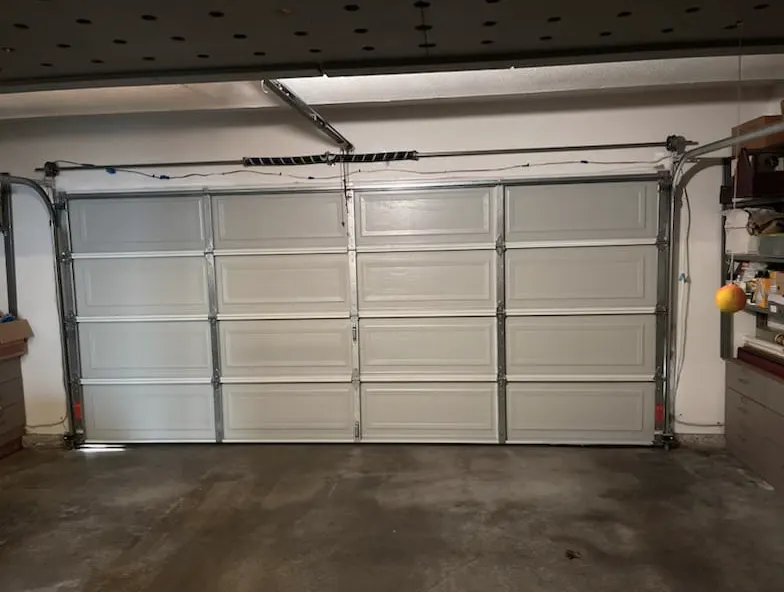
The Argument Starts in the Garage
It usually happens on the first really cold night of the season. You're grabbing something from the garage and you feel it — a thin, steady draft along the bottom of the door, or a cold spot where the wall meets the garage ceiling. You mention it to your spouse. They say the door's fine, it's just an old house. You're both standing in a 40-degree garage arguing about a thermostat setting for a room two floors away. This is that argument, settled.
Why an Attached Garage Affects the Whole House
If your garage shares a wall with the kitchen, or there's a bedroom above it, that garage's temperature isn't separate from your home's temperature — it's a buffer zone that's constantly bleeding into your living space. A garage that sits close to outdoor temperature all winter pulls heat out of the walls and floor next to it. Your furnace runs longer to make up the difference, but the room above the garage still feels drafty because the floor itself is cold. Same story in summer: a garage that bakes in Philly's humid heat pushes warmth into the adjacent rooms, and your AC works harder without ever quite catching up.
A lot of older homes in this area were built with the garage as an afterthought — insulated like a shed, not like living space, with the original door still doing the job decades later. That's fine as long as the door actually seals. The problem starts when it doesn't.
Where the Air Is Actually Getting In
A garage door doesn't need a hole in it to leak. Small, everyday wear adds up:
- Bottom seal that's cracked, flattened, or torn from years of scraping over road salt and grit
- Side and top weatherstripping that's shrunk, stiffened, or pulled away from the frame — common after enough freeze-thaw cycles
- Warped panels on older steel or wood doors, where the door no longer sits flat against the frame
- Gaps between panel sections on doors that have racked slightly out of square over time
- A door that's out of balance, so it doesn't close all the way flush even when the opener thinks it has
Run your hand along the bottom and sides of the door on a cold day. If you can feel air moving, or you can see daylight at the corners, that's not a cosmetic issue — that's an open vent straight to the outside.
What to Actually Do About It
Start cheap and simple before assuming you need a new door:
- Replace the bottom seal and side weatherstripping. This is the single biggest fix for the least money, and it's a few-hundred-dollar job in most cases, not a few-thousand-dollar one.
- Check the door's balance and alignment. A door that's out of balance can look closed and still leave gaps you won't notice without checking.
- Add insulation to the door panels if you have an uninsulated single-layer door — kits exist, though on a badly warped or very old door, insulation won't fix a sealing problem underneath it.
- Weigh replacement if the door itself is warped, dented along the bottom edge, or old enough that weatherstripping alone can't close the gaps anymore. At that point you're paying to re-seal a door that will never seal well.
None of this requires guessing. If the room above or beside the garage is noticeably colder in winter or warmer in summer than the rest of the house, and the thermostat setting hasn't changed, the garage door is a reasonable first suspect — long before you start pricing out new windows or more insulation elsewhere.
When to Call Philadelphia Garage Door
If you've felt the draft but aren't sure whether you're looking at a seal problem or a door problem, that's exactly what a tune-up is for. Our Garage Door Maintenance & Tune-Up visit checks balance, alignment, and weatherstripping condition, and tells you plainly whether a seal replacement will solve it or whether the door itself is working against you. If the seals are shot or the panels are warped beyond a simple fix, our Garage Door Repair team can replace weatherstripping or recommend next steps without pushing you toward a full replacement you don't need.
If your garage has felt like an icebox every winter and an oven every summer, give Philadelphia Garage Door a call. We serve Philadelphia, Bensalem, Cheltenham, Jenkintown, Elkins Park, Abington, Willow Grove, and Levittown, and we'll tell you straight whether it's a seal or a whole door.